
Students often have to manage academic responsibilities, extracurricular interests, family commitments, and plans for life after graduation. Finding a workable balance can be challenging, especially when several opportunities seem equally important. Taking on too much can leave students with limited time for studying, rest, and personal interests, while focusing exclusively on schoolwork may leave little room to explore new skills or career possibilities.
Families, teachers, counselors, and mentors can also provide useful guidance. With a flexible plan and regular opportunities to review progress, students can build a routine that supports academic achievement, personal well-being, and preparation for adulthood without expecting themselves to do everything at once.
Build a Weekly Schedule That Protects Study Time

A realistic schedule helps students meet academic expectations without giving up every opportunity to explore their interests. Start by listing fixed commitments, including classes, extracurricular activities, family responsibilities, and appointments. Then assign specific periods for homework, studying, and relaxation. Planning these activities makes it easier to recognize when the week is becoming too crowded.
Students should also consider how much energy different tasks require. Difficult assignments may be easier to complete during periods of strong concentration, while simpler tasks can fit into shorter breaks. Leave some unscheduled time for unexpected projects or changes in plans.
Useful scheduling strategies include:
Prioritize deadlines: Record assignment due dates and break large projects into smaller tasks.
Set realistic limits: Avoid committing to activities that regularly interfere with studying or sleep.
Review the week: Spend a few minutes each weekend adjusting the schedule for upcoming exams and events.
Include downtime: Protect time for meals, rest, hobbies, and social connections.
A schedule should support students rather than become another source of pressure. Adjusting it when circumstances change is a practical skill, not a failure to follow a plan.
Choose Academic Programs That Support Future Ambitions
Educational decisions can influence which opportunities become available after graduation. Students should consider their interests, academic strengths, preferred learning environments, and possible career directions when evaluating school programs. A college preparatory high school, for example, may appeal to students planning to pursue higher education and seeking a structured academic experience.
Before choosing a program, investigate its curriculum, extracurricular opportunities, academic expectations, and student support services. Conversations with school counselors, teachers, and current students can provide a clearer picture of what daily life will involve.
When comparing academic options, consider:
Course availability: Determine whether the school offers subjects relevant to potential college majors or career interests.
Academic support: Ask about tutoring, advising, and assistance with challenging coursework.
Time commitments: Consider whether the workload leaves room for extracurricular interests and personal responsibilities.
Future preparation: Review how the program helps students prepare applications, develop study skills, and explore postsecondary options.
Students do not need to have their entire future mapped out before selecting a school. However, understanding available opportunities can help them make informed choices and revisit their plans as their interests develop.
Develop Effective Study Habits Before Workloads Increase
Strong study habits make academic responsibilities easier to manage, particularly when assignments become more complex. Students benefit from learning how to organize materials, track deadlines, and study consistently instead of relying on last-minute preparation. These habits can begin well before high school.
Families comparing educational environments may consider how a private middle school supports organization, independent learning, and academic development. Regardless of the school setting, students need opportunities to practise managing responsibilities and identifying when they need assistance.
Effective study strategies include:
Break assignments into steps: Divide research papers, presentations, and projects into manageable tasks.
Review material regularly: Revisit notes throughout the week instead of waiting until the night before a test.
Reduce distractions: Put away unnecessary devices and choose a suitable study location.
Ask for help early: Speak with teachers when instructions are unclear or a subject becomes difficult.
Parents can encourage these habits by helping children establish routines without completing assignments for them. As students gain confidence, they should take greater responsibility for their work.
Consistent preparation also creates more flexibility. Students who manage academic tasks efficiently may find it easier to participate in activities without constantly worrying about unfinished assignments.
Choose Extracurricular Activities With Purpose

Extracurricular activities give students opportunities to develop skills that may not receive as much attention during regular classes. Sports, arts, volunteering, and clubs can encourage teamwork, communication, creativity, and perseverance. The key is choosing activities that genuinely interest the student rather than joining everything available.
For example, group dance classes can help students practise coordination, creative expression, collaboration, and commitment to a shared performance. Similar benefits can come from many structured activities, provided students have enough time to participate meaningfully.
Before joining an activity, students should evaluate several factors:
Personal interest: Choose something enjoyable or connected to a skill they want to develop.
Time requirements: Account for rehearsals, meetings, preparation, travel, and special events.
Financial considerations: Review registration fees, equipment, transportation, and other expenses.
Schedule compatibility: Check whether the activity conflicts with important academic commitments.
It can be helpful to try one or two activities before taking on additional responsibilities. Students should also reassess their commitments each semester. Leaving an activity that no longer fits their goals can create room for a more suitable opportunity.
Make Time for Personal Values and Community
A balanced student schedule can include activities that support personal values, reflection, and community connections. These commitments may be particularly important to students and families who want education to incorporate spiritual development alongside academic learning.
Christian education may provide a learning environment that connects academic subjects with faith-based perspectives and ethical discussions. Students considering this option should explore the school’s curriculum, expectations, community activities, and approach to student development to determine whether it aligns with their family’s priorities.
Outside the classroom, group bible study can offer opportunities to discuss religious teachings, listen to different perspectives within the community, and reflect on personal values. Like other extracurricular commitments, these activities require realistic scheduling.
Students can manage these responsibilities by:
Planning: Record meeting times alongside classes and assignment deadlines.
Setting boundaries: Decide how much time is available for additional commitments each week.
Communicating clearly: Let family members and activity leaders know when academic demands increase.
Reviewing priorities: Consider whether current commitments continue to reflect personal values and goals.
Making room for meaningful community involvement does not require sacrificing academic progress. A thoughtful schedule allows students to participate consistently while maintaining time for schoolwork, rest, and other responsibilities.
Explore Career Options Through Practical Learning
Students do not have to wait until graduation to investigate possible careers. Exploring different industries, learning practical skills, and speaking with professionals can help them understand which paths may suit their interests and strengths. Early exploration can also reveal the education or training required for particular roles.
Technical education may appeal to students who prefer applied learning and want to develop practical abilities connected to specific occupations. Depending on the program, students may gain experience with industry-related tools, techniques, or workplace expectations.
Students interested in beauty and skincare careers might also investigate an esthetics school. Before enrolling, they should examine the curriculum, admission requirements, hands-on training, tuition, and any applicable state licensing requirements.
To explore a career pathway effectively:
Research the daily work: Learn what professionals actually do and which skills they use.
Compare training options: Review program length, costs, prerequisites, and credentials.
Seek firsthand perspectives: Ask instructors or working professionals about their experiences.
Connect interests with subjects: Identify school courses that develop relevant knowledge or abilities.
Career exploration should inform decisions rather than force students to settle on one occupation prematurely. Learning about several pathways gives students a stronger foundation for choosing future courses, training programs, or employment opportunities.
Practise Independent Responsibilities Before Graduation

Preparing for adulthood involves more than earning good grades. Students also benefit from learning how to manage appointments, transportation, paperwork, personal spending, and everyday decisions. Developing these skills gradually can make transitions after graduation easier.
For eligible students, driving schools may provide structured instruction on traffic rules, vehicle operation, and safe driving practices. Students should research local licensing requirements and understand the time, practice, and costs involved before beginning lessons.
Useful ways to develop independence include:
Manage appointments: Record dates and arrive prepared without relying entirely on reminders from others.
Learn basic budgeting: Track spending and distinguish essential expenses from optional purchases.
Handle responsibilities: Take ownership of assigned household tasks, school deadlines, and personal belongings.
Ask informed questions: Seek clarification when instructions, rules, or expectations are unfamiliar.
Families can support this process by allowing students to make age-appropriate decisions and learn from manageable mistakes. Independence develops through practice, feedback, and gradually increasing responsibility.
Compare Education Costs Before Making Commitments
Postsecondary education can involve expenses beyond tuition, including textbooks, equipment, transportation, housing, and everyday living costs. Students should investigate the full financial picture before committing to a college, professional program, or vocational course.
Researching top student loans can help prospective borrowers compare financing options, but rankings alone should not determine a decision. Students need to understand interest rates, repayment terms, eligibility requirements, fees, and the total amount they may owe after completing their education.
Before borrowing, consider these steps:
Calculate the total cost: Include tuition, supplies, transportation, housing, and other expected expenses.
Explore financial assistance: Investigate scholarships, grants, work-study programs, and institutional aid.
Compare loan terms: Review interest rates, repayment schedules, and applicable borrower protections.
Estimate future payments: Consider whether projected payments could fit within a realistic post-graduation budget.
Students should consult official financial aid resources and verify loan details directly with the relevant lender or program. They should also compare the costs and requirements of alternative educational pathways.
Protect Physical and Mental Well-Being
Academic achievement and extracurricular involvement are difficult to sustain when students consistently sacrifice sleep, relaxation, or physical activity. A balanced routine should include time to recharge, maintain social connections, and participate in activities that support overall well-being.
Pilates classes may offer a structured opportunity for movement, body awareness, and physical activity. Students considering them should choose a suitable class based on their experience, abilities, schedule, and budget. Other forms of exercise may work equally well, depending on individual preferences.
Students can protect their well-being by building a few habits into their weekly routines:
Maintain a sleep schedule: Set consistent bedtimes and allow enough time for rest.
Take meaningful breaks: Step away from studying periodically instead of working for hours without interruption.
Stay connected: Make time for friends, family, and supportive relationships.
Recognize warning signs: Notice persistent fatigue, irritability, declining concentration, or difficulty keeping up with responsibilities.
When these signs appear, students should review their schedules and identify commitments that could be reduced or adjusted. If distress persists, speaking with a trusted adult or qualified professional may be appropriate.
Review Goals and Adjust Priorities Regularly
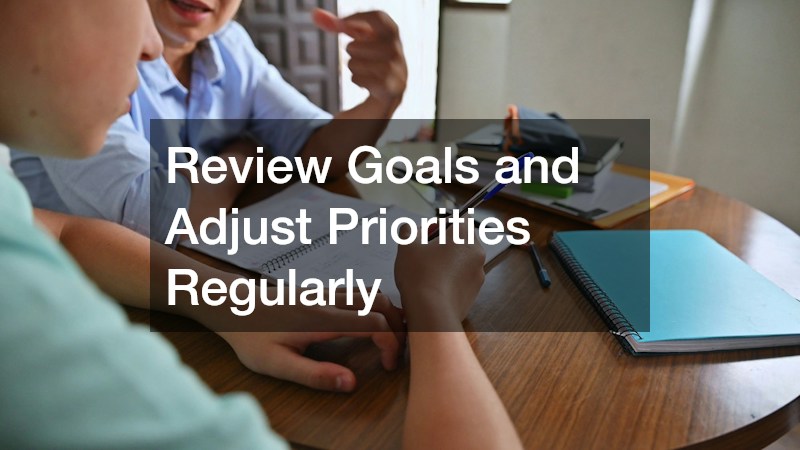
A schedule that works at the beginning of a semester may become unrealistic when exams, projects, or extracurricular events increase. Regularly reviewing goals helps students identify problems early and make adjustments before responsibilities become difficult to manage.
Start by choosing a few priorities for the coming weeks. These might include improving performance in a particular subject, completing a project, developing a skill, or researching a potential career. Each goal should have a practical next step and a reasonable deadline.
A simple review process can include:
Identify progress: Record completed assignments, new skills, and other meaningful accomplishments.
Recognize obstacles: Determine whether time constraints, unclear expectations, or competing commitments have slowed progress.
Revise the plan: Adjust study periods, reduce unnecessary activities, or seek additional support.
Set the next steps: Choose a small number of achievable priorities for the following week or month.
Teachers, counselors, family members, and mentors can offer useful perspectives during these reviews. Students should build plans that reflect their current needs while keeping future opportunities in view.
Balancing academic responsibilities, extracurricular activities, and future ambitions requires planning, realistic expectations, and a willingness to adapt. Students can make the process more manageable by organizing their schedules, developing effective study habits, choosing activities that match their interests, and investigating education and career options before making major commitments.
A balanced approach helps students build habits and practical skills that extend beyond school. With consistent effort and thoughtful choices, they can pursue their interests, prepare for future opportunities, and develop a routine that supports both personal growth and long-term success.